If you’re a parent, there’s a good chance you’ve wondered about probiotics.
Maybe your child was prescribed an antibiotic, and you’re trying to avoid diarrhea. Maybe they’re constipated. Or maybe you’ve seen all those probiotic gummies in the store and wondered: does my kid need one of these?
The short answer is maybe. Probiotics can be helpful for some kids and for certain problems. But they’re not something every child needs to take.
Here’s what we know about probiotics for kids, what they may actually help with, and what to look for if you’re thinking about trying one.
Understanding Children’s Probiotics
We usually hear the word “bacteria” and think: bad. But our bodies are actually full of bacteria that belong there. Your child’s gut is home to trillions of bacteria and other tiny organisms! Together, they’re called the gut microbiome.
Think of the gut microbiome like a tiny community inside your child’s digestive system. When things are working well, the helpful bacteria keep that community in balance. They also break down parts of food, make useful compounds, and support the gut lining, which is the barrier between the digestive system and the rest of the body.
So where do probiotics come in?
Probiotics add live, helpful microorganisms to the mix. Depending on the type, they may help support the good bacteria already living in the gut and make it harder for less-helpful bacteria to take over.
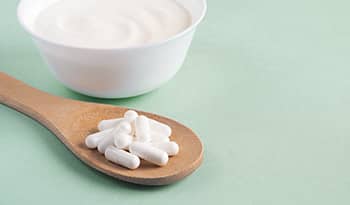
You can get probiotics from foods with live cultures, like yogurt and kefir, or from supplements. Kids’ probiotic supplements come in easy-to-take forms like gummies, powders, chewables, and liquid drops.
What Are the Benefits of Probiotics for Kids?
Probiotics may provide benefits for kids in certain circumstances. But sometimes marketing can get ahead of the science. There’s good evidence for certain uses. For others, we’re still figuring it out.
Here’s where the research stands:
- Easing digestive issues: This is where probiotics have some of the best research in kids. Certain strains may help with diarrhea, including diarrhea caused by antibiotics.1 Probiotics may also have a role in constipation, but the evidence isn’t nearly as strong.2
- Supporting the immune system: We don’t have enough evidence to recommend that every healthy child take a probiotic to support immune system health. Some data show that probiotics may reduce the likelihood of respiratory infections and lessen the symptoms of gastrointestinal diseases.3
- Potential relief for eczema and allergies: Some data support a small improvement in eczema when probiotics are taken for longer than two months. But based on the available research, it’s hard to know which probiotics help and which kids are most likely to benefit.4 And other research shows no clear benefit for eczema.5
- Supporting overall gut health: Probiotics may support the healthy mix of microorganisms that naturally live in your child’s gut.6 Some may also make it harder for harmful bacteria to grow or help support the gut lining.
Are Probiotics Good for Kids?
For healthy kids, probiotics are generally considered safe.
General Safety and Potential Side Effects
Most healthy kids do just fine with probiotics. Your child might have a little extra gas or bloating when they first start taking a probiotic. Their poop consistency and color may change a bit, too.
That said, we still don’t have great information about what happens when healthy children take probiotic supplements every day for years.
When to Be Cautious and Who Should Avoid Them
In rare cases, the bacteria or yeast found in a probiotic can actually cause an infection. And this risk is higher in children who have weakened immune systems, were born prematurely, have certain complex medical conditions, or are seriously ill.
Always Consult Your Pediatrician First
If you’re standing in the supplement aisle staring at 20 different probiotics, this is a great time to bring the question to your pediatrician. And be sure to explain why you’re considering one, so that your child’s doctor can select the best probiotic for their unique health needs.
As a general rule, it’s always a good idea to consult your pediatrician before starting your child on any supplements.
Natural Sources of Probiotics for Kids
Some foods naturally contain live cultures and are a great source of probiotics for children. Kid-friendly options can include:
- Yogurt with live and active cultures
- Kefir
- Sauerkraut with live cultures
- Kimchi
- Miso
- Tempeh
- Other fermented foods that contain live cultures
For many families, yogurt is probably the easiest place to start. It’s familiar, most kids like it, and it also provides nutrients like protein and calcium. Check the label for words like “live and active cultures.”
Different Types of Probiotic Supplements for Kids
When it comes to the different types of probiotic supplements for kids, you’ll quickly realize there’s no shortage of choices. They’re available as:
- Gummies
- Liquid drops
- Powders
- Chewable tablets
There are also refrigerated and shelf-stable probiotics. Some products contain one bacterial strain, while others contain what feels like every strain imaginable. Let’s break down the different choices in greater detail.
Gummies
Gummies are popular for an obvious reason: Kids usually don’t mind taking them. For older children who can safely chew them, they can be an easy option.
Liquid Drops
If you have a baby or young toddler, drops are the only safe choice.
Always check the label, since some probiotic drops also contain vitamin D or other nutrients. That can be useful, but you don’t want to accidentally double up if your child is already getting these nutrients from a multivitamin or other supplement.
Chewables
Chewable tablets can work well for kids who are old enough to chew safely, but aren’t ready to swallow a capsule.
Powders
Powders can be a lifesaver for kids who refuse anything that looks like medicine. Depending on the product, you may be able to stir the powder into yogurt, applesauce, or water.
Just follow the directions on the package. And be careful about mixing probiotics into something very hot, since heat can kill some of the live microorganisms.
Frequently Asked Questions About Kids’ Probiotics
Are probiotics safe for kids?
For most healthy kids, probiotics are considered safe. Side effects are usually mild, like gas or bloating. But children who are seriously ill, have weakened immune systems, were born prematurely, or have certain medical conditions may need to avoid them. When in doubt, ask your pediatrician before starting one.
How long does it take for probiotics to work in a child?
It depends on what you’re hoping the probiotic will do. There isn’t a set number of days where you should suddenly expect to see a difference. Some studies looking at digestive problems see changes within days. Other probiotics may be studied over several weeks.
And if you’ve been giving your child a probiotic and nothing seems to be happening, don’t assume they just need more. It may simply be the wrong strain, or probiotics may not be the answer to that particular problem.
What is the best time of day to give my child probiotics?
There’s no perfect time that works for every probiotic. Check the label on the product you’re using. Some probiotics are meant to be taken with food, while others have different directions.
From a practical standpoint, consistency helps. If breakfast is when you’ll actually remember it every day, that may be the best time for your family.
Can my child take probiotics every day?
Yes, many probiotic supplements are designed for daily use. If you’re planning to give your child a probiotic long term, talk with your pediatrician about potential benefits and risks.
Can probiotics help with antibiotic-associated diarrhea?
Yes, certain probiotics may help. Antibiotics can disrupt some of the helpful bacteria in the gut. That can lead to diarrhea. Research suggests that certain probiotic strains can lower the risk of antibiotic-associated diarrhea in otherwise healthy kids.
The Bottom Line
If you feel like probiotics are everywhere right now, you’re not imagining it. When deciding if one makes sense for your child, start with the reason you’re considering a probiotic. Then talk with your pediatrician about which strain might be helpful, as well as the recommended form and dosage to support your child’s long-term health.
References:
- H S, R BC, M D, et al. Probiotics for the Management of Pediatric Gastrointestinal Disorders: Position Paper of the ESPGHAN Special Interest Group on Gut Microbiota and Modifications. J Pediatr Gastroenterol Nutr. 2023;76(2):272.
- Gordon M, de Geus A, Boruta M, et al. European Society for Paediatric Gastroenterology, Hepatology and Nutrition/North American Society for Pediatric Gastroenterology, Hepatology and Nutrition guidelines for treatment of functional constipation in children aged 0–18 years. J Pediatr Gastroenterol Nutr. 2026;83(2):335-366.
- Nutritional Supplements, Vitamins & Boosting Your Child’s Immunity - HealthyChildren.org. Accessed September 19, 2026.
- Arif MI, Dai Q, Ru L. Probiotics for pediatric atopic dermatitis: A systematic review and meta-analysis of randomized controlled trials. Journal of Allergy and Clinical Immunology: Global. 2026;5(2).
- Wei T, Ding Y. Efficacy of probiotics in preventing atopic dermatitis in infants: A systematic review and meta-analysis. J Int Med Res. 2026;54(7).
- Probiotics - Health Professional Fact Sheet.
DISCLAIMER:
These statements have not been approved by the Food and Drug Administration. These products are not intended to diagnose, treat, cure, or prevent disease.


























































 Table of Contents