In a Hurry? Key Takeaways
- The thyroid is a small gland in the neck that controls metabolism, energy production, and body temperature through hormone regulation.
- Key nutrients for thyroid health include selenium, zinc, vitamin D, iron, and magnesium. Deficiencies in these nutrients can impair thyroid hormone production and conversion.
- Iodine is essential, but more is not better. Excess iodine or kelp supplements can disrupt thyroid balance, while normal food sources like seafood and seaweed are generally safe in moderation.
- Selenium supplementation should be used carefully. Combining supplements with Brazil nuts can exceed the safe upper limit (400 mcg/day) and may become harmful.
- Lifestyle factors such as smoking, chronic high-intensity exercise without recovery, poor sleep, and unnecessary radiation exposure can negatively affect thyroid function.
- Thyroid symptoms like fatigue, weight changes, and cold sensitivity should be confirmed with blood testing. Lifestyle changes work best alongside medical evaluation, not as a replacement.
If you're dealing with unexplained fatigue, weight changes, or feeling cold all the time, your thyroid is a reasonable place to look. This small, butterfly-shaped gland at the front of your neck produces hormones that regulate your metabolism, energy production, and body temperature — and it's more sensitive to nutrient status, gut health, sleep, and stress than most people realize.
What Is The Thyroid And How Does It Work?
The thyroid is a small, butterfly-shaped gland located on the front of your neck. It is in charge of regulating metabolism and contains hormones that affect every cell in the body.
3 Thyroid Hormones
The most relevant thyroid hormones are thyroid-stimulating hormone (TSH), Triiodothyronine (T3), and Tetraiodothyronine (T4). TSH comes from the brain to stimulate the thyroid to make T4, which is converted to T3 in the blood. T3 is the most active, useful thyroid hormone. The most common conventional treatment for thyroid disease is thyroid hormone replacement.
Underactive vs. Overactive Thyroid: What's the Difference?
Thyroid problems generally fall into two categories: an underactive thyroid, where the gland produces too little hormone and everything slows down, and an overactive thyroid, where it produces too much and everything speeds up.
Both conditions are often autoimmune in origin. Hashimoto's thyroiditis, where the immune system gradually attacks the thyroid, is the leading cause of an underactive thyroid; Graves' disease is the most common cause of an overactive thyroid. A doctor can screen for both with a blood panel that typically includes thyroid antibodies (anti-TPO and anti-thyroglobulin) alongside hormone levels.
If testing confirms either condition, the conventional approach is medical, and the nutritional and lifestyle strategies in this article are best understood as supporting overall thyroid health alongside your doctor's care, not as a substitute for it.
Signs Your Thyroid May Need Support
Thyroid-related symptoms often develop gradually and can be easily attributed to other things. Common signs include:
- Fatigue And Sluggishness
- Unexplained Weight Changes
- Forgetfulness or Occasional Brain Fog
- Occasional Low Mood
- Dry Skin and Brittle Nails
- Hair Thinning
- Increased Sensitivity To Cold
- Joint And Muscle Stiffness
- Occasional Irregularity (Constipation)
If you're noticing several of these together, it's worth having your thyroid levels checked by a doctor — persistent symptoms can have a medical cause that diet and lifestyle changes alone won't fully address, and knowing your actual numbers is what lets you tell whether any natural strategy is actually helping.
A Simple At-Home Neck Check
This isn't a diagnostic tool, but it's a reasonable, zero-cost habit: stand in front of a mirror, focus on the area of your neck just above your collarbone and below your Adam's apple (where the thyroid sits), take a sip of water, and watch that area as you swallow. You're looking for any asymmetric bulge or lump that moves with the swallow. This doesn't replace a doctor's exam or an ultrasound, but noticing something unusual early is a reasonable prompt to get it checked rather than ignored.
What Affects Thyroid Function?
Thyroid hormone production depends on a specific set of nutrients, and thyroid balance can be influenced by immune function, gut health, sleep, and chronic stress. Genetics plays a meaningful role in individual thyroid sensitivity, and for some people, suboptimal thyroid health has an underlying immune component that a doctor can identify through blood testing — that's worth knowing, but it's a conversation for your provider rather than something to self-diagnose from a symptom list. The nutritional and lifestyle factors below are what you actually have influence over day to day.
Nutrients That Matter Most for Thyroid Function
Selenium
Selenium is required for the enzyme that converts T4 (the largely inactive form of thyroid hormone) into T3 (the active form) — without enough selenium, this conversion slows down. Research on selenium supplementation in people with elevated thyroid antibodies has found that it can help bring antibody levels down over time, which is one of the more consistently replicated findings in thyroid nutrition research.1-3 That said, selenium has an unusually narrow gap between an effective dose and a toxic one: 200 mcg/day is a commonly studied amount, but the tolerable upper limit for adults is 400 mcg/day from all sources combined, so it's worth working with a healthcare provider to find the right dose for you rather than guessing.
One combination worth flagging specifically: pairing a selenium supplement with a daily Brazil nut habit can add up faster than people expect. Each Brazil nut contains roughly 68–91 mcg of selenium, so just 3–4 nuts on top of a 200 mcg supplement can push you over the 400 mcg/day limit. If you're supplementing selenium, treat Brazil nuts as an occasional food rather than a daily addition.4
Zinc
Zinc also factors into the enzyme that converts T4 to T3, and it helps your hypothalamus accurately sense circulating thyroid hormone levels — without enough zinc, that signaling can get thrown off. Pumpkin seeds, oysters, and red meat are among the richest food sources. The tolerable upper limit for zinc is 40 mg/day for adults; many people use a more conservative 30 mg/day as a starting point unless a healthcare provider is actively monitoring a higher dose, since chronic excess zinc can itself cause problems, including copper deficiency.1,5
Vitamin D
Low vitamin D levels are associated with markers of suboptimal thyroid health in multiple studies, and vitamin D plays a well-documented role in immune regulation that may be especially supportive of thyroid function.1,6 Mainstream guidance generally considers 40 ng/mL a sufficient blood level for most adults, with levels above roughly 100 ng/mL carrying toxicity risk over time.7 Checking your level annually and supplementing with vitamin D3 to reach a normal-range result is the more evidence-based approach. Regular, moderate sun exposure is the body's natural way of generating vitamin D3. However, given the widespread insufficiency of blood levels of 25(OH)D3, many experts recommend preventative vitamin D3 supplementation to everyone, including children, as follows:8
- Under the age of 1 year: 400 IU per day
- Ages 1-5 years: 600 IU per day
- Ages 5–9 years: 2000 IU per day
- Ages 9–12 years: 2500 IU per day
- Over 12 years of age and adults: 4000 IU per day
Iron
Iron is required for thyroid hormone production and for converting T4 to T3.1 True iron deficiency is worth confirming with lab testing (ferritin, serum iron, transferrin saturation) rather than assuming, since both deficiency and excess iron cause problems. Ferrous bisglycinate tends to be gentler on the stomach than other iron forms.9 One practical note: iron can interfere with thyroid medication absorption, so if you take thyroid medication, keep iron supplements at least a couple of hours away from your dose.
Magnesium
Magnesium is a cofactor in several of the enzymatic reactions involved in thyroid hormone synthesis, and low magnesium status has been associated with suboptimal thyroid health in some research, though the evidence here is less extensive than for selenium or vitamin D. Magnesium-rich foods — leafy greens, nuts, seeds, and whole grains — are a reasonable way to cover this nutrient without needing a dedicated thyroid-specific supplement for most people.10
The Iodine Balance Most People Get Wrong
Iodine is essential for the production of thyroid hormones, making it tempting to think that more iodine will further improve thyroid function. However, both too little and too much iodine can disrupt normal thyroid activity, particularly in individuals with underlying thyroid disease or autoimmune thyroiditis. The Recommended Dietary Allowance (RDA) for adults is 150 mcg per day, increasing to 220 mcg during pregnancy and 290 mcg during lactation. While most people can easily meet these needs through a balanced diet that includes iodized salt, seafood, dairy products, and eggs, routine supplementation is rarely necessary.1,11-13
The greatest concern is excessive iodine intake from concentrated iodine or kelp supplements. Some kelp products contain 500 to more than 2,000 mcg of iodine per serving, with actual iodine content varying considerably between products. So, it is important to read labels carefully. Regular intake of iodine at these high levels can trigger or worsen hypothyroidism, hyperthyroidism, or autoimmune thyroid disease in susceptible individuals. The Tolerable Upper Intake Level (UL) for adults is 1,100 mcg per day, but adverse effects may occur at lower intakes in people with pre-existing thyroid disorders.
Eating seaweed as part of a normal diet is generally not a problem. An occasional sheet of nori, commonly used in sushi, typically contains only 15 to 50 mcg of iodine, while a serving of wakame soup generally provides 50 to 150 mcg, making these reasonable dietary sources when consumed in moderation. In contrast, kelp (kombu) is exceptionally rich in iodine and can provide well over 1,000 mcg in a single serving, explaining why kelp supplements are much more likely to result in excessive iodine intake.
The practical recommendation is simple: obtain iodine primarily from a varied diet and supplements containing no more than 150mcg per day, and avoid taking high-dose iodine or kelp supplements unless a healthcare provider has tested you, identified an actual iodine deficiency, and specifically recommended it.
Food Sources for Thyroid Health
Beyond the individual nutrients above, a few food-based patterns are worth knowing:
- Protein: Thyroid hormone transport in the blood depends partly on protein-bound carriers, and the amino acid tyrosine (found in eggs, dairy, meat, fish, and legumes) is a direct building block of thyroid hormone itself. Adequate protein intake — not necessarily high, just adequate — supports this process.12
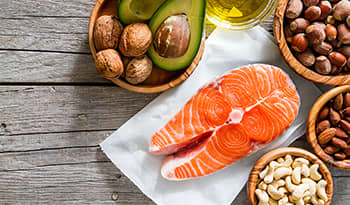
- Healthy fats: Fat intake supports the absorption of fat-soluble vitamins like vitamin D, and omega-3 fatty acids (fatty fish, walnuts, flaxseed) have general anti-inflammatory properties relevant to immune balance. Olive oil is a reasonable everyday cooking fat with the same broad benefit; neither it nor coconut oil has direct evidence of boosting thyroid hormone output specifically (see the myths section below).
- B vitamins: B12 in particular (found mainly in animal foods) supports the energy metabolism that low thyroid function often disrupts, and B12 deficiency can independently cause fatigue that mimics or compounds thyroid-related tiredness — worth ruling out if you eat a largely plant-based diet.
- Fiber and gut-friendly foods: Adequate fiber from vegetables, fruits, and whole grains supports the gut microbial balance discussed below, though very high-fiber meals taken right alongside thyroid medication can reduce its absorption, so timing matters more than total avoidance.
Diet and Thyroid Health
Are Cruciferous Vegetables and Soy a Problem?
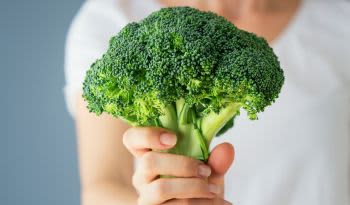
Cruciferous vegetables (broccoli, kale, cabbage, Brussels sprouts) and soy contain compounds called goitrogens, which can interfere with iodine uptake at high raw intake — this is where the caution around them comes from. In practice, for most people, normal cooked servings aren't a meaningful problem: cooking substantially reduces goitrogenic compound activity. Steaming or light cooking is a good middle ground here — it neutralizes most of the goitrogenic effect while preserving more water-soluble vitamins than boiling does. The practical takeaway isn't "avoid broccoli forever" — it's "cook your cruciferous vegetables rather than juicing large raw quantities daily."
Do Brazil Nuts, Coconut Oil, or Apple Cider Vinegar Boost Thyroid Hormones?
Brazil nuts are a genuinely rich source of selenium (see the caution above on pairing them with a supplement), so they're a reasonable dietary way to support that nutrient — but eating them doesn't work like a direct hormone booster, just a nutrient contributor. There's no credible evidence that coconut oil or apple cider vinegar directly increases thyroid hormone production; both are fine in normal culinary amounts, but neither should be relied on as a treatment.
Reducing Inflammatory Foods
Reducing inflammation in the body is a reasonable general goal for thyroid support, since chronic inflammation is linked to suboptimal thyroid health. The foods most commonly flagged as inflammatory for sensitive individuals include gluten, added sugar, saturated fats, artificial sweeteners and preservatives, certain dairy components, and highly processed seed oils (soy, corn, sunflower, cottonseed, safflower). Sensitivity to these varies a lot from person to person. A structured elimination and reintroduction approach (removing a food group for a few weeks, then reintroducing one at a time while tracking symptoms) is a reasonable, low-risk way to identify your own triggers, ideally with professional guidance so you don't end up with a nutritionally inadequate diet in the process.14
Gut Health and Thyroid Function
A large share of the body's immune tissue is located in the gut, so gut function and thyroid-related immune balance are genuinely connected. Low stomach acid is common in people with suboptimal thyroid health, which can impair nutrient absorption; some people use betaine HCl with digestive enzymes to support stomach acid levels. This isn't right for everyone, though. If you have or might have a peptic ulcer or active gastritis, adding more stomach acid can worsen irritation, so it's worth ruling out with a provider before starting rather than trying it first and seeing how it goes. A quality probiotic to support a healthy gut microbial balance is a gentler, broadly reasonable option for most people.
Sleep, Movement, and Daily Rhythm
Thyroid-stimulating hormone (TSH) follows its own daily rhythm, typically peaking at night, and sleep disruption can throw this rhythm off over time. Consistent sleep timing is a genuinely reasonable, low-effort habit for thyroid support, not just general wellness advice.
Regular, moderate exercise supports healthy metabolism and body composition, both closely tied to thyroid function. But intensity matters: prolonged, high-intensity cardio without adequate recovery raises cortisol, and sustained high cortisol can suppress thyroid hormone conversion — a well-documented pattern in overtrained athletes. Moderate-intensity strength training, walking, or yoga generally place less of this cortisol burden on the system than sustained hard cardio, which is a reasonable reason to favor them if you're already dealing with thyroid-related fatigue. None of this requires anything extreme: consistent sleep and regular, moderate movement do more for thyroid-supportive physiology than any single "biohack."
Managing Stress for Thyroid Health
Chronically elevated cortisol from ongoing stress can suppress thyroid hormone production and conversion — this is well-documented physiology, not a fringe claim. Stress-reduction practices like sleep, meditation, and breathing exercises are reasonable, low-risk additions to any thyroid-support routine. Adaptogens such as ashwagandha, reishi, eleuthero, and schisandra are proposed to help the body modulate its stress response, and ashwagandha specifically has some small human trials suggesting a mild supportive effect on thyroid hormone levels.15 The evidence base is still limited, so think of adaptogens as a reasonable stress-support addition rather than a targeted thyroid treatment.
Avoiding Environmental Toxins
Certain environmental chemicals — including BPA and similar substitutes, phthalates, and other endocrine-disrupting compounds — are under active research for links to thyroid function. The evidence connecting specific exposures to thyroid outcomes in humans is still developing. Reasonable, low-cost steps include avoiding food and drink stored in BPA-containing plastic, choosing simpler personal care products, and improving indoor air quality — sensible general health practices regardless of how the thyroid-specific research eventually settles.
Smoking is also worth naming directly here: cigarette smoke contains thiocyanate, a compound that competes with iodine for uptake into the thyroid gland, and several studies link smoking to a higher risk of goiter, particularly in people with lower iodine intake.16 Quitting smoking is one of the more direct, well-evidenced ways to support the thyroid's ability to use iodine properly — more so than most dietary tweaks.
If you get dental or medical X-rays, it's reasonable to ask for a thyroid collar or shield — the thyroid is one of the more radiation-sensitive glands in the body, and this is a standard, low-effort protective step many people simply aren't offered unless they ask.
Common Myths Worth Ignoring
A few claims circulate often enough to address directly: there's no single "miracle food" that fixes thyroid function — not Brazil nuts, not bone broth, not any specific smoothie. Extremely restrictive elimination diets maintained indefinitely, rather than as a time-limited testing tool, more often create new nutrient deficiencies than solve an underlying problem. "Detoxing" the thyroid through cleanses or juice fasts has no credible supporting evidence. Supporting thyroid health naturally is genuinely worthwhile, but it's a matter of consistent nutrient adequacy and healthy habits, not a single dramatic fix.
The Bottom Line
Thyroid health responds to a fairly specific set of nutrients — selenium, zinc, vitamin D, iron, and magnesium, chief among them — plus adequate protein, healthy fats, gut health, sleep consistency, and stress management. A few overlooked lifestyle factors — smoking, unnecessary radiation exposure, and excessive high-intensity training — deserve more attention than they usually get. The evidence is genuinely solid for correcting real deficiencies and supporting these systems; it's much weaker for dramatic claims about single "superfoods" or cleanses. If your symptoms are persistent, pairing these habits with an actual blood test is what tells you whether they're making a real difference in your thyroid health.
Thyroid Health: Common Questions
What does the thyroid actually do?
The thyroid produces hormones (mainly T4 and T3) that regulate your metabolic rate — essentially how fast or slow your body uses energy. It affects heart rate, body temperature, digestion, energy levels, and even mood, which is why thyroid issues can produce such a wide range of seemingly unrelated symptoms.
What is TSH, and why does it matter?
TSH (thyroid-stimulating hormone) is made by the pituitary gland, not the thyroid itself — it's the signal that tells your thyroid how much hormone to produce. Doctors test TSH first because it's a sensitive early indicator: it often rises or falls before T4 and T3 levels move outside a normal range, which is why it's the standard first-line thyroid screening test.
Where is the thyroid gland located?
It's a small, butterfly-shaped gland at the front of your neck, just below your Adam's apple and above your collarbone — the same area referenced in the at-home neck check earlier in this article.
What are the best foods for thyroid health?
Foods rich in selenium (Brazil nuts, sunflower seeds), zinc (pumpkin seeds, oysters), iodine (seafood, dairy, iodized salt in normal amounts), and iron (lean meat, legumes) support the nutrients thyroid hormone production actually depends on. There's no single "best" food — a varied diet covering these nutrients matters more than any one item.
What are the best supplements for thyroid health?
Selenium and vitamin D have the most consistent research support among supplements, followed by zinc, iron, and magnesium when you have a documented gap in one of these specifically. None of these are useful to supplement blindly — testing first and supplementing to correct an actual deficiency works better than taking everything "just in case."
Is sea moss good for thyroid health?
Sea moss is a type of seaweed and carries the same iodine caution as kelp: its iodine content varies widely and unpredictably between products, so regular use can push iodine intake higher than intended. Occasional, moderate use is generally fine for most people, but it isn't a thyroid "superfood," and it's not a good choice to use daily in concentrated form without knowing your iodine status.
How many Brazil nuts should I eat per day for thyroid health?
One to two Brazil nuts a day is generally enough to meaningfully contribute to selenium intake, since each nut contains roughly 68–91 mcg. More than that, especially alongside a selenium supplement, can push you toward the 400 mcg/day upper limit faster than expected (see the Selenium section above).
Do turmeric, green tea, or olive oil help thyroid function?
These come up often in wellness content, but none have strong direct evidence for improving thyroid hormone levels specifically. Turmeric and green tea have general antioxidant properties, and olive oil is a reasonable everyday healthy fat — all fine to include in your diet, just not as targeted thyroid treatments.
When should I be concerned about a thyroid nodule?
Most thyroid nodules are small, benign, and are only found incidentally on imaging done for another reason. Signs worth getting checked include a lump you can see or feel, rapid growth of an existing lump, difficulty swallowing or breathing, hoarseness, or the asymmetric swelling described in the at-home neck check earlier — a doctor can determine with an ultrasound whether further evaluation is needed.
What's the best overall diet for thyroid health?
There's no single named diet proven best. A pattern built around adequate protein, healthy fats, a variety of vegetables (cooked cruciferous vegetables included), and consistent intake of the key nutrients covered above does more than any restrictive or trendy diet plan.
How much selenium do I need per day for thyroid health?
The general adult Recommended Dietary Allowance for selenium is around 55 mcg/day from diet, while studies specifically looking at targeted immune and thyroid support often use around 200 mcg/day as a supplemental dose. Total intake from food and supplements combined shouldn't exceed 400 mcg/day.
Do "thyroid support" supplements actually work?
Some contain genuinely useful nutrients like selenium, zinc, or iodine in reasonable amounts; others are vague blends with unclear dosing, and a few OTC products have been found in independent testing to contain undisclosed actual thyroid hormone. Check the label for specific nutrients and doses rather than trusting the words "thyroid support" alone, and look for third-party testing (USP, NSF) where possible.
References:
Duntas LH. Nutrition and thyroid disease. Curr Opin Endocrinol Diabetes Obes. 2023;30(6):324-329. doi:10.1097/MED.0000000000000828
- Wang F, Li C, Li S, Cui L, Zhao J, Liao L. Selenium and thyroid diseases. Front Endocrinol (Lausanne). 2023;14:1133000. doi:10.3389/fendo.2023.1133000
- Kong XQ, Qiu GY, Yang ZB, Tan ZX, Quan XQ. Clinical efficacy of selenium supplementation on thyroid antibody levels: a systematic review and meta-analysis. Medicine (Baltimore). 2023;102(20):e33791. doi:10.1097/MD.0000000000033791
- Office of Dietary Supplements, National Institutes of Health. Selenium Fact Sheet for Health Professionals. Updated March 26, 2025. Accessed July 21, 2026. https://ods.od.nih.gov/factsheets/Selenium-HealthProfessional/
- Office of Dietary Supplements, National Institutes of Health. Zinc Fact Sheet for Health Professionals. Updated March 26, 2025. Accessed July 21, 2026. https://ods.od.nih.gov/factsheets/Zinc-HealthProfessional/
- Lebiedziński F, Lisowska KA. Impact of vitamin D on thyroid immune balance: from theory to practice. Nutrients. 2023;15(14):3174. doi:10.3390/nu15143174
- Office of Dietary Supplements, National Institutes of Health. Vitamin D Fact Sheet for Health Professionals. Updated March 26, 2025. Accessed July 21, 2026. https://ods.od.nih.gov/factsheets/VitaminD-HealthProfessional/
- Holick MF, Binkley NC, Bischoff-Ferrari HA, et al. Evaluation, treatment, and prevention of vitamin D deficiency: An Endocrine Society clinical practice guideline. J. Clin. Endocrinol. Metab. 2011;96:1911–1930.
- Abbas AM, Abdelbadee SA, Alanwar A, Mostafa SA. Efficacy of ferrous bis-glycinate versus ferrous glycine sulfate for iron deficiency anemia during pregnancy: a randomized clinical trial. J Matern Fetal Neonatal Med. 2019;32(24):4139-4145. doi:10.1080/14767058.2018.1478954
- Office of Dietary Supplements, National Institutes of Health. Magnesium Fact Sheet for Health Professionals. Updated June 3, 2025. Accessed July 21, 2026. https://ods.od.nih.gov/factsheets/Magnesium-HealthProfessional/
- Office of Dietary Supplements, National Institutes of Health. Iodine Fact Sheet for Health Professionals. Updated November 5, 2024. Accessed July 21, 2026. https://ods.od.nih.gov/factsheets/Iodine-HealthProfessional/
- Kravchenko V, Zakharchenko T. Thyroid hormones and minerals in immune regulation of thyroid function. Front Endocrinol (Lausanne). 2023;14:1225494. doi:10.3389/fendo.2023.1225494
- Liu J, Mao C, Dong L, et al. Excessive iodine and thyroid follicular cell function. Front Endocrinol (Lausanne). 2019;10:778. doi:10.3389/fendo.2019.00778
- Osowiecka K, Myszkowska-Ryciak J. The influence of nutritional intervention on thyroid parameters: a systematic review. Nutrients. 2023;15(4):1041. doi:10.3390/nu15041041.
- Sharma AK, Basu I, Singh S. Efficacy and Safety of Ashwagandha Root Extract in Subclinical Hypothyroid Patients: A Double-Blind, Randomized Placebo-Controlled Trial. J Altern Complement Med. 2018 Mar;24(3):243-248.
- Cho YY, Kim YA, Kong SH, et al. Cigarette smoking and thyroid disease: mechanisms and clinical implications. Front Endocrinol (Lausanne). 2022;13:995503.
- NIH. (2021). Hypothyroidism (underactive thyroid). In National Institute of Diabetes and Digestive and Kidney Diseases. https://www.niddk.nih.gov/health-information/endocrine-diseases/hypothyroidism
- National Institute of Diabetes and Digestive and Kidney Diseases. (2021). Graves” disease. In National Institute of Diabetes and Digestive and Kidney Diseases. https://www.niddk.nih.gov/health-information/endocrine-diseases/graves-disease
DISCLAIMER:
These statements have not been approved by the Food and Drug Administration. These products are not intended to diagnose, treat, cure, or prevent disease.
























































 Table of Contents